

Choosing the right pair of dress shoes is a key step in building a refined and confident wardrobe. Among premium men's dress shoes, Oxford and Derby styles are often compared due to their classic appeal and formal versatility. While they may look similar at first glance, subtle construction differences set them apart in terms of formality, comfort, and styling flexibility. Understanding these differences will help you select footwear that aligns perfectly with your lifestyle and dressing needs.
The Core Difference Between Oxford and Derby Shoes
One detail separates them — and that detail changes everything about how you dress.
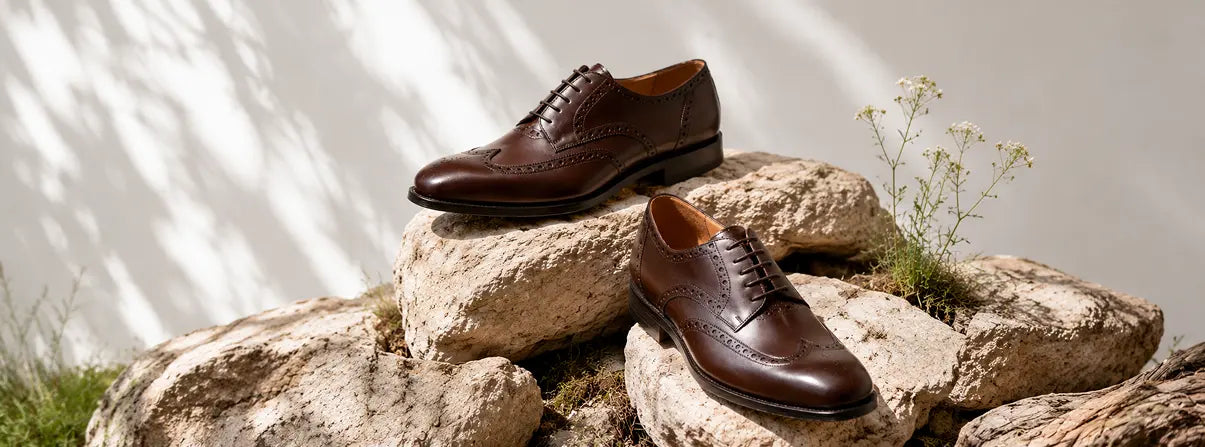
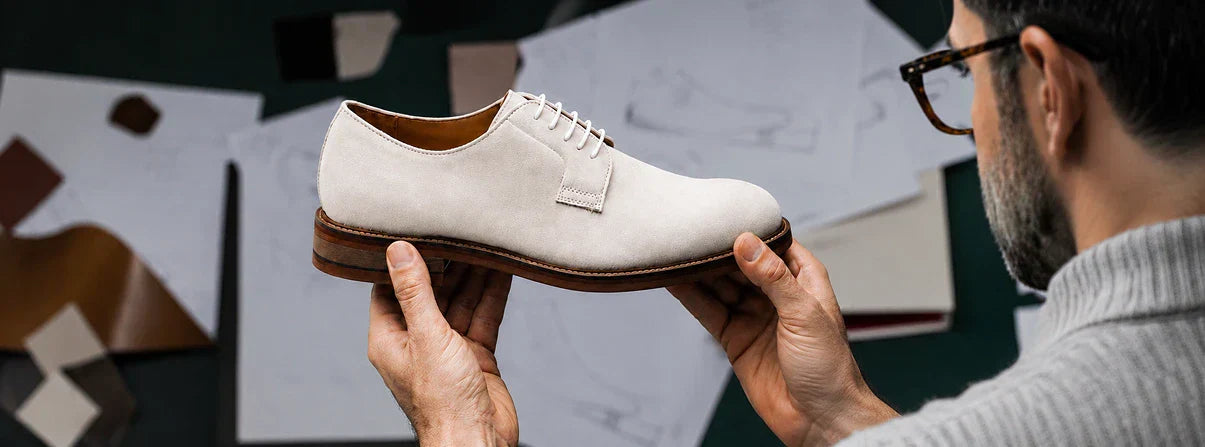
The defining distinction between Oxford and Derby shoes lies in their lacing construction. Oxford shoes feature a closed-lacing system, where the eyelet tabs are stitched beneath the vamp, creating a sleek, structured silhouette. Derby shoes use an open-lacing system, with eyelet tabs sewn on top of the vamp, allowing for a more relaxed fit and greater adjustability. This structural difference plays a major role in determining which shoe works best for specific occasions and foot types.
The difference between Oxford and Derby shoes comes down to one detail — the lacing system — yet that single distinction shapes everything: formality, fit, and styling freedom.

One Lacing System, Two Different Worlds
The Oxford's closed lacing creates a seamless, unbroken line across the vamp — a hallmark of traditional formal footwear. The Derby's open lacing introduces a subtle gap that signals flexibility and ease without sacrificing elegance.
Understanding this distinction is the foundation of building a dress shoe wardrobe that works across every occasion in your life. For a deeper look at construction quality, see our guide to Handcrafted vs. Machine-Made Dress Shoes.
Oxford vs. Derby: A Formality Comparison
When it comes to formal dressing, Oxford shoes are widely regarded as the more formal choice. Their closed-lacing design makes them ideal for black-tie occasions, traditional business environments, and weddings. Derby shoes offer a slightly relaxed aesthetic that works beautifully across business wear, semi-formal events, and smart-casual settings.
Oxford
A closed-lacing system creates a clean, streamlined silhouette. Ideal for formal events, corporate environments, and black-tie occasions. The definitive dress shoe for traditional menswear.
Derby
An open-lacing system offers more flexibility and a slightly relaxed aesthetic. Well-suited for business wear and smart-casual settings where comfort matters as much as style.
Still unsure which formality level suits your wardrobe? The full breakdown by occasion is covered in The Best Dress Shoe Styles for Every Formal Occasion.

Formal Precision vs. Everyday Elegance
The Oxford belongs in your wardrobe for moments that demand precision — black-tie dinners, boardroom presentations, and formal ceremonies. Its closed lacing signals that you understand the rules of dress and respect the occasion.
The Derby, by contrast, is the shoe you reach for when elegance and comfort must coexist. It transitions effortlessly from the office to an evening event, making it one of the most practical investments in premium dress footwear.
Comfort and Fit: Which Shoe Works for Your Foot?
When comparing comfort, Derby shoes generally have the advantage. Their open-lacing design provides extra room and flexibility, making them suitable for wider feet and extended wear. Oxford shoes tend to have a more structured fit, which can feel snug initially but becomes comfortable once properly broken in — especially when crafted using premium materials and traditional construction methods.
Derby shoes strike the perfect balance between elegance and comfort — an open-lacing system that adapts to your foot, your schedule, and your dress code.

Built for All-Day Wear
The Derby's open lacing distributes pressure more evenly across the foot, making it the preferred choice for men who spend long hours on their feet or need a shoe that accommodates a wider fit without sacrificing style.
Oxford shoes, while more structured, reward patience — premium leather molds to your foot over time, delivering a custom-like fit that improves with every wear. Comfort is also shaped by construction quality, as explored in our guide to Premium Men's Dress Shoes.
How to Style Oxford and Derby Shoes
Each shoe style has its natural home in your wardrobe. Understanding which occasions call for which style ensures your footwear always feels intentional and appropriate.
Black-Tie & Formal
Black Oxford is the only choice. Closed lacing, polished leather, leather sole — no exceptions for the most formal occasions.
Business & Office
Both Oxford and Derby work here. Oxford for conservative environments, Derby for long days where comfort and polish must coexist.
Smart-Casual
Derby wins here. Pair with chinos, blazers, or dark jeans for a refined look that doesn't feel overdressed.
Sole Selection: Leather vs. Rubber for Oxford and Derby
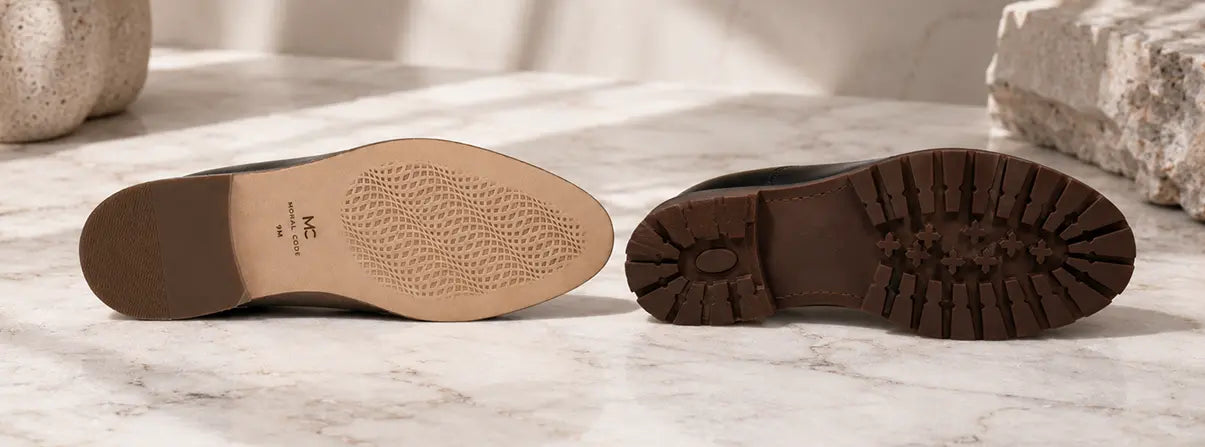
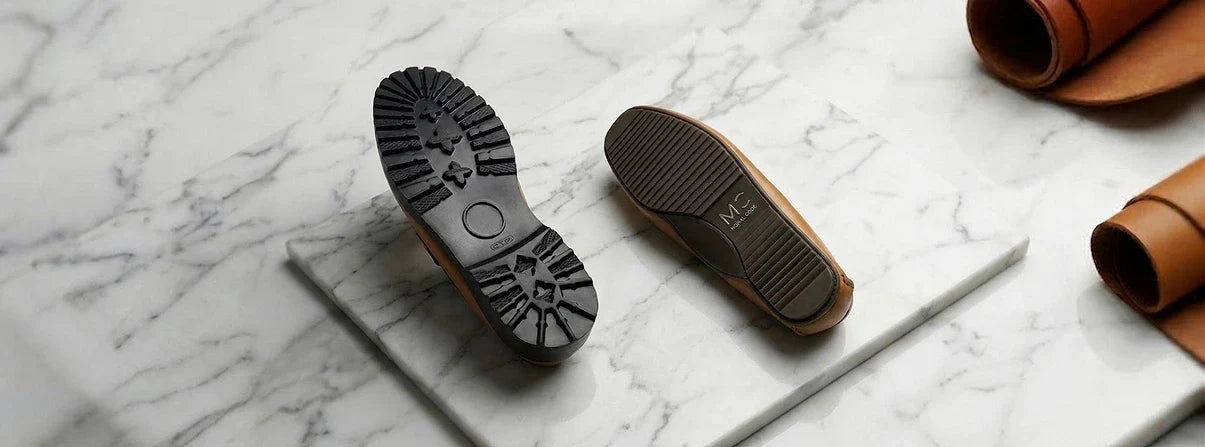
Sole choice impacts both the formality and practicality of your dress shoes. For Oxford shoes worn at formal events, a leather sole is the traditional and most elegant choice. For Derby shoes used in daily business wear or outdoor settings, a rubber sole offers superior grip and all-day comfort without compromising the shoe's refined appearance.
Leather Sole
The definitive choice for formal Oxford shoes. Sleek profile, breathable, and refined — ideal for indoor formal events and black-tie occasions.
Rubber Sole
Superior traction and all-day comfort. The smart choice for Derby shoes used in business settings, outdoor venues, or unpredictable weather.
Cap-Toe, Plain-Toe & Brogue: Choosing Your Detail Level
Both Oxford and Derby shoes come in a range of toe designs that further influence their formality. Understanding these details helps you match the right shoe to the right occasion. Explore our full wingtip and brogue collection for distinctive options.
Plain-Toe & Cap-Toe
Minimal detailing creates a clean, authoritative silhouette. The plain-toe Oxford is the gold standard for black-tie. The cap-toe adds a subtle horizontal stitch that works across formal and business settings.
Brogue & Wingtip
Decorative perforations and W-shaped toe detailing add personality without sacrificing sophistication. Best suited for Derby styles in business-casual and semi-formal settings.
How to Choose: Your Oxford vs. Derby Decision Guide
You don't need to choose just one — but if you're starting out, here's exactly how to decide which shoe belongs in your wardrobe first.
How to Choose the Right Shoe
- Choose Oxford for black-tie and highly formal occasions
- Choose Derby for business, smart-casual, and daily wear
- Consider Derby if you have wider feet or need all-day comfort
- Opt for black Oxford as your cornerstone formal shoe
- Add a brown Derby for versatile business and evening styling
- Look for Goodyear-welted construction in both styles for longevity
- Own both styles to cover every dress code with confidence
- Prioritize quality craftsmanship over price for long-term value
Ready to find your perfect pair? Here are our top picks — in stock and ready to wear.


Final Thoughts: Oxford or Derby?
Oxford and Derby shoes are both timeless classics, each serving a distinct purpose in men's formal and semi-formal dressing. If you regularly attend formal events or work in a traditional corporate environment, Oxford shoes are an essential investment. If versatility and everyday comfort are your priorities, Derby shoes offer greater flexibility while maintaining a polished look. Many men find that owning both styles provides the perfect foundation — a philosophy explored in depth in The Ultimate Guide to Choosing Premium Men's Dress Shoes.
Many men find that owning both an Oxford and a Derby provides the perfect foundation — one for formal occasions, one for everything else. Invest in both, and you'll never be underdressed again.