

When investing in high-quality footwear, understanding how to identify handcrafted vs machine made dress shoes can completely change your buying decisions. At first glance, both types may look similar. But beneath the surface lies a world of difference in craftsmanship, durability, comfort, and long-term value. Let's break it down in a simple, practical way so you can shop smarter and invest better.
What Are Handcrafted Dress Shoes? The Art Behind Every Pair
Where tradition meets precision — and every stitch tells a story.
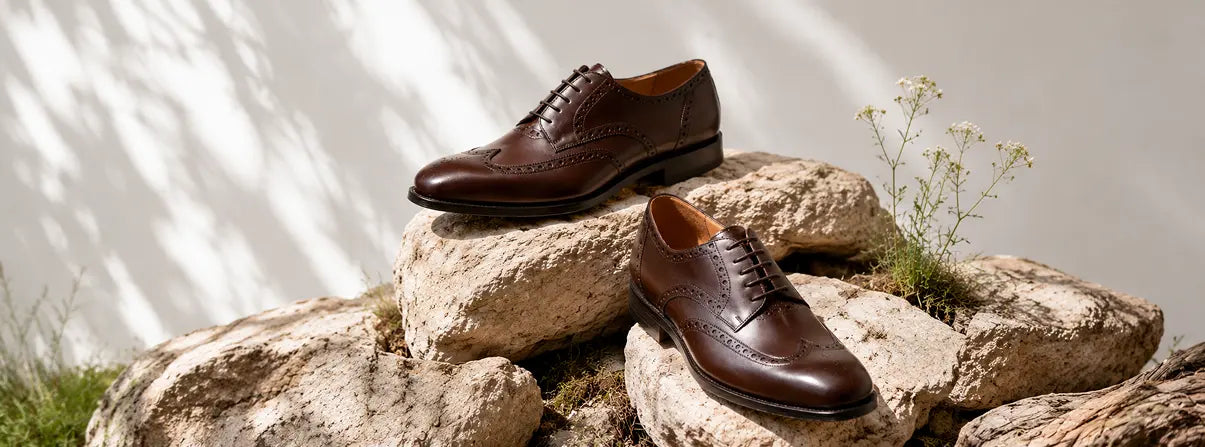
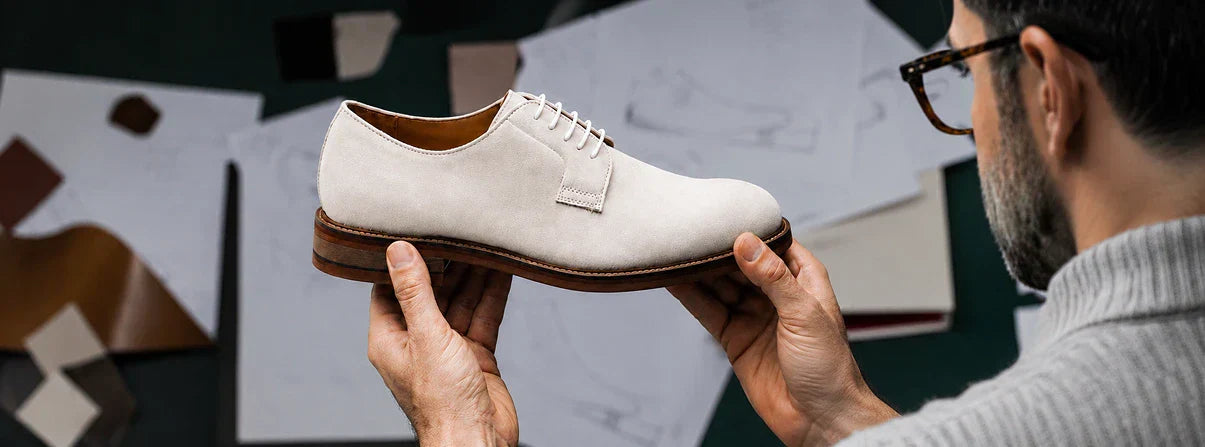
Handcrafted dress shoes are made by skilled artisans using traditional techniques passed down through generations. Every stitch, cut, and finish is executed with precision and care, often going through dozens of manual processes. At Moral Code, our men's dress shoes embody this philosophy — premium full-grain leather, hand-stitched details, and unique finishing that develops character over time. Unlike their machine-made counterparts, handcrafted shoes carry slight natural variations that are a hallmark of authenticity, not a flaw.
"Real craftsmanship isn't robotic. The slight imperfection in a hand-stitched welt is the signature of the artisan who made it."

The Mark of a True Artisan
When you hold a handcrafted dress shoe, you feel the difference immediately — the supple give of full-grain leather, the weight of a Goodyear-welted sole, the subtle depth of a hand-applied patina.
These are shoes built to last decades, not seasons. Explore our men's derby dress shoes to experience the standard of handcrafted quality firsthand.
Handcrafted vs Machine Made: The Core Differences
Understanding the distinction between handcrafted and machine-made shoes starts with construction. Oxford shoes and derby shoes can both be made either way — but the method of construction determines everything about longevity, comfort, and value.
Artisan-Made Excellence
Built by skilled craftspeople using premium full-grain leather, Goodyear welt or Blake stitching, hand-polished edges, and natural patina finishes. Each pair is unique — slight variations are a sign of authenticity. These shoes mold to your feet over time, offering a custom-like fit that improves with every wear.
Factory-Produced Efficiency
Produced using automated systems focused on speed and uniformity. Typically use corrected or synthetic leather, glue-based construction, and flat uniform finishes. While affordable and widely accessible, machine-made shoes lack the long-term durability and personalized comfort of their handcrafted counterparts.
The difference isn't just aesthetic — it's structural. A Goodyear-welted sole can be resoled multiple times, extending the life of the shoe by years. Learn more in our guide to Oxford vs Derby shoes.
Construction That Stands the Test of Time
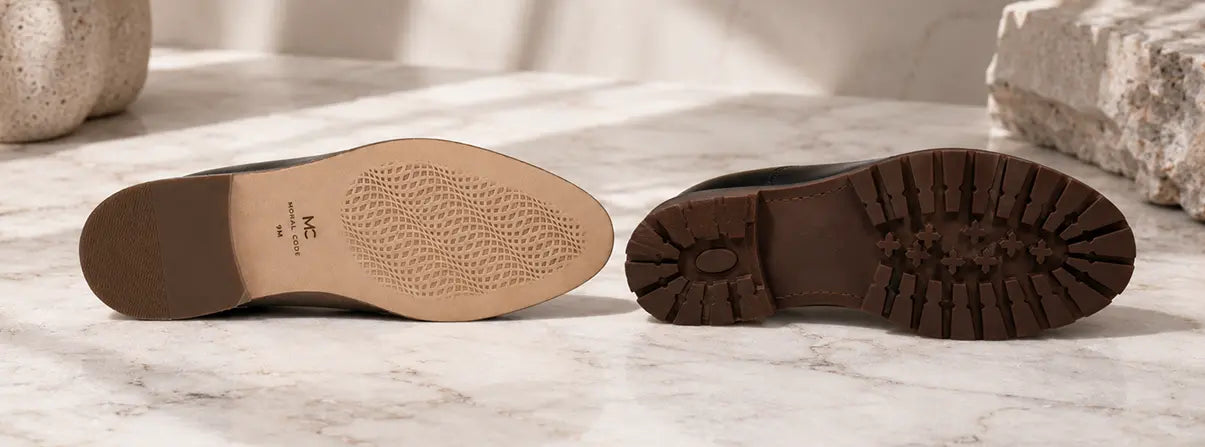
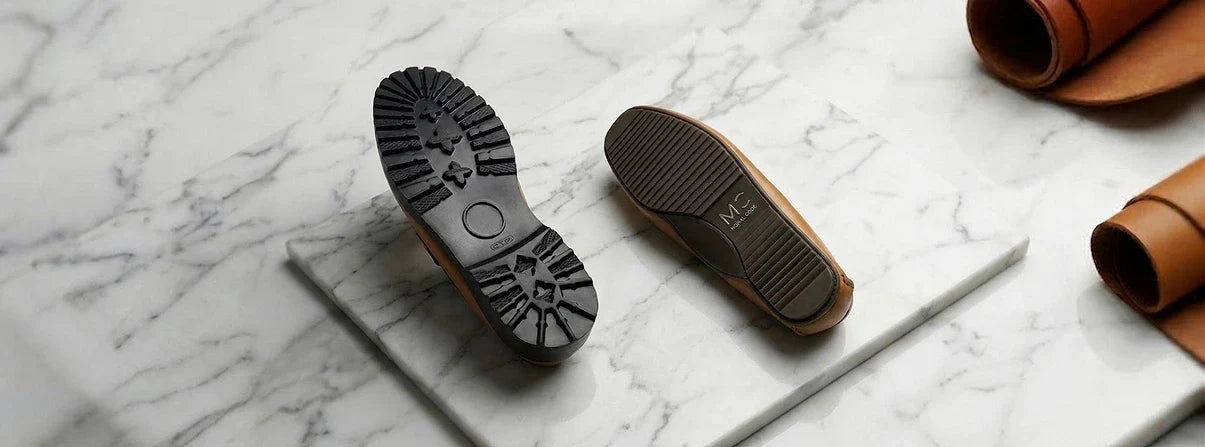
Flip any quality handcrafted shoe over and you'll see the evidence: a visible welt stitch running around the perimeter, a leather insole, and a sole that can be replaced rather than discarded.
Our Jasper Men's Penny Loafer exemplifies this standard — built for the long haul with premium materials and meticulous finishing.

9 Expert Signs to Spot the Difference
Once you know what to look for, identifying handcrafted vs machine-made shoes becomes second nature. These nine signs are your field guide to smarter footwear decisions.
"Perfection can sometimes mean automation. The tight, slightly uneven stitch of a hand-sewn shoe is a feature — not a flaw."

Details That Reveal Everything
From stitching quality and sole construction to leather texture and finishing details — every element of a handcrafted shoe tells a story of intentional making.
Our Charli Women's Lace-Up Oxford showcases the hallmarks of quality craftsmanship: natural leather grain, precise hand-finished edges, and a silhouette that only improves with age.
The Three Pillars of Handcrafted Quality
Every handcrafted shoe can be evaluated across three core dimensions. Master these and you'll never be fooled by a machine-made imitation again.
Construction Method
Look for Goodyear welt or Blake stitching on the sole. Handcrafted shoes are sewn — not glued. Flip the shoe and inspect the perimeter for a visible stitch line running around the entire sole.
Leather Quality
Full-grain leather has natural texture, pores, and slight variations. Corrected leather (common in machine-made shoes) is sanded smooth and coated — it looks uniform but lacks the character that develops with wear.
Finishing Details
Hand-polished edges, unique color gradients (patina), and tight natural stitching are the signatures of artisan work. Machine-made shoes have flat, uniform finishes that look identical across every pair.
Price vs Value: What You're Really Paying For
The price gap between handcrafted and machine-made shoes isn't arbitrary — it reflects the true cost of materials, labor, and longevity. When you invest in a quality pair from our dress shoe collection, you're buying decades of wear, not just a season.
Built to Last Decades
Higher upfront cost reflects premium full-grain leather, skilled artisan labor, and construction methods (Goodyear welt, Blake stitch) that allow resoling. These shoes improve with age, develop a personal patina, and can be repaired — making them the more economical choice over a 10-year horizon.
Affordable, Functional
Lower price point makes machine-made shoes accessible for occasional wear or when multiple styles are needed. Glue-based construction and synthetic materials mean they serve a purpose — but typically need replacing within 1–2 years of regular use.
Which Shoe Is Right for You?
The choice between handcrafted and machine-made ultimately comes down to how you live and what you value. Ask yourself: how often will I wear these? Do I prioritize comfort and longevity, or cost and variety?
You Wear Dress Shoes Regularly
If dress shoes are part of your daily or weekly rotation — for work, events, or personal style — handcrafted is the clear choice. The comfort improves with every wear as the leather molds to your foot, and the investment pays off over years of use. Explore our men's Oxford shoes and derby shoes for the full range.
Occasional Wear Is All You Need
For infrequent occasions — a wedding, a one-off interview, a seasonal event — machine-made shoes can serve the purpose without the premium investment. Just be aware of their limitations: they won't mold to your foot, can't be resoled, and typically show wear much faster than their handcrafted counterparts.
Your Expert Buyer's Checklist: 9 Signs to Check Before You Buy
Use this checklist every time you evaluate a dress shoe — handcrafted or otherwise.
The 9 Signs of Handcrafted Quality
- Tight, slightly uneven (natural) hand stitching
- Goodyear welt or Blake stitching on the sole
- Full-grain leather with natural texture and pores
- Hand-polished edges with depth and variation
- Unique color gradients or patina on the upper
- Slightly heavier, more solid feel in hand
- Brand transparency about craft process and materials
- Minor natural imperfections as signs of authenticity
Ready to invest in shoes that stand the test of time? Browse our handcrafted dress shoe collection below.


Are handcrafted shoes always better?
Yes, in terms of quality and durability — but they may not suit every budget.
Can machine-made shoes look premium?
Yes, but they often lack long-term durability and craftsmanship.
How long do handcrafted shoes last?
With proper care, they can last for years — even decades.
Is Goodyear welt a sign of handcrafted shoes?
Yes, it's a strong indicator of high-quality construction.
Why are handcrafted shoes expensive?
Because of the labor, materials, and time involved in making them.
Can beginners tell the difference easily?
With practice and these tips, absolutely yes.
Final Thoughts: Make Smarter Footwear Investments
Understanding how to identify handcrafted vs machine made dress shoes empowers you to make better purchasing decisions for the long term. If you value craftsmanship, durability, and comfort that improves with age, handcrafted shoes are worth every penny. Explore our full range of men's dress shoes, including Oxfords, Derbies, and Wingtips — all built to the standard this guide describes. For a deeper dive into style decisions, read our guide on Oxford vs Derby: Which Shoe Is Right for You?
"The best dress shoe isn't the most expensive one — it's the one built with enough integrity to last a lifetime and improve with every wear."